Una guida approfondita sui progressi tecnologici nel trattamento termico smaltato e su come l'ingegneria di precisione definisca la durata dei moderni scaldabagni.
Introduzione alla tecnologia avanzata di smaltura
La domanda globale di elettrodomestici affidabili ha spinto i produttori a cercare modi innovativi per prolungare la vita del prodotto, in particolare per gli scaldabagni. Al centro di uno scaldabagno di alta qualità si trova il suo serbatoio interno, che deve resistere a una pressione idraulica costante, alle fluttuazioni termiche e alla natura corrosiva dell'acqua immagazzinata. L'implementazione di una caldaia elettrica con serbatoio smaltato è diventata lo standard del settore per ottenere una protezione superiore. Questa attrezzatura specializzata per la lavorazione termica è responsabile della fusione della polvere di smalto di porcellana sulla superficie d'acciaio del serbatoio a temperature superiori a 800 gradi Celsius. Senza un ambiente di fuoco preciso e stabile, il rivestimento protettivo si sarebbe rotto, causando perdite e rotture dei serbatoi entro pochi anni di utilizzo. In questa guida, esploriamo come la transizione verso la tecnologia delle caldaie elettriche abbia rivoluzionato l'efficienza produttiva e la longevità del prodotto.
Lo smalto moderno non riguarda solo l'estetica; è un processo complesso di ingegneria chimica. L'interazione tra il substrato d'acciaio e la fritta smaltata determina la resistenza del legame. Se la temperatura all'interno del forno varia anche solo di pochi gradi, il rivestimento risultante può contenere vuoti microscopici o fori stenopei. Utilizzando un sistema di riscaldamento elettrico, i produttori possono raggiungere un livello di uniformità di temperatura che le alternative a gas spesso faticano a eguagliare. Questa precisione garantisce che ogni centimetro quadrato dell'interno del serbatoio sia ermeticamente sigillato contro gli agenti atmosferici. Man mano che la sostenibilità diventa un focus centrale per le industrie globali, il passaggio alla combustione elettrica si allinea anche alle iniziative di energia verde, riducendo l'impronta di carbonio dell'impianto produttivo mantenendo al contempo i più alti standard di qualità possibili per il consumatore finale.
Il ruolo critico della fucilatura ad alta temperatura nell'integrità dei carri armati
L'integrità di un serbatoio di scaldabagno dipende quasi interamente dalla qualità del suo strato protettivo. Quando analizziamo il processo di accensione all'interno di una fornace elettrica con serbatoio di scaldabagno, stiamo osservando un processo di vitrificazione. Durante questa fase, la polvere di smalto a base di vetro si scioglie e scorre sulla superficie dell'acciaio, creando un legame chimico piuttosto che una semplice adesione meccanica. Questo legame è essenziale perché acciaio e smalto hanno coefficienti di espansione termica diversi. Una caldaia di alta qualità garantisce che la curva di raffreddamento sia anche attentamente gestita, evitando che il rivestimento si crepi mentre si solidifica. Questo livello di controllo è ciò che distingue un prodotto premium da un elettrodomestico di livello economico. La cottura ad alta temperatura elimina anche i gas intrappolati all'interno dell'acciaio, prevenendo la formazione di "fish-scaring", un difetto comune in cui lo smalto si stacca a causa della pressione dell'idrogeno.
Inoltre, l'atmosfera all'interno della caldaia deve essere controllata con meticolosità. Qualsiasi presenza di umidità o contaminanti durante il ciclo di cottura può compromettere la finitura. I forni elettrici offrono un ambiente di combustione più pulito rispetto ai vecchi sistemi a combustibile perché non producono sottoprodotti della combustione che potrebbero interferire con la reazione chimica. Questa pulizia è fondamentale per la produzione sia di applicazioni di "smalto umido" che di "polvere secca". Per i produttori industriali, la capacità di replicare condizioni identiche per migliaia di unità ogni giorno è la chiave della reputazione del marchio. Investendo in attrezzature termiche sofisticate, le aziende possono garantire che i loro serbatoi superino rigorosi test di nebbia salina e di pressione, che sono i parametri di riferimento per la durata nel mercato globale. Il risultato è un serbatoio che può resistere alle condizioni idriche più aggressive, inclusi un alto contenuto minerale e acidità, per decenni.
Eccellenza ingegneristica nella progettazione di forni
Progettare una caldaia elettrica ad alte prestazioni in smalto per serbatoi per scaldabagno richiede una profonda conoscenza della termodinamica e della scienza dei materiali. La struttura del forno deve essere costruita utilizzando materiali refrattari avanzati in grado di resistere a un funzionamento continuo a 850 gradi Celsius senza perdere integrità strutturale o efficienza termica. I caldai moderni utilizzano il controllo della temperatura multizona, dove le diverse sezioni del tunnel o del forno vengono gestite indipendentemente per creare un profilo di riscaldamento ideale. Questo include una zona di preriscaldamento, una zona di accensione e una zona di raffreddamento controllata. Aumentando gradualmente la temperatura, il serbatoio viene evitato di deformarsi, il che rappresenta una preoccupazione importante per gli scaldabagni industriali di grande capacità. L'uso di tubi radianti di alta qualità o elementi riscaldanti garantisce che il calore venga distribuito uniformemente attraverso convezione e radiazione, raggiungendo ogni fessura della geometria interna del serbatoio.
Oltre agli elementi riscaldanti, il sistema di nastro trasportatore all'interno del forno svolge un ruolo fondamentale. Che si utilizzi una catena aerea continua o un nastro trasportatore specializzato, il movimento deve essere fluido e sincronizzato con la velocità complessiva della linea di produzione. Qualsiasi vibrazione o movimento brusco durante la fase di fusione potrebbe far cedere lo smalto o sviluppare uno spessore irregolare. L'integrazione dell'automazione consente il monitoraggio in tempo reale di ogni parametro, dal consumo energetico ai flussi d'aria. Questo approccio basato sui dati consente ai produttori di ottimizzare i propri processi per la massima produttività minimizzando allo spreco. L'inclusione di sistemi di recupero del calore nei progetti moderni dei caldai aumenta ulteriormente l'efficienza, catturando il calore di scarico verso i serbatoi in ingresso pre-riscaldati o fornendo energia per le fasi di asciugatura del pre-trattamento. Questo approccio ingegneristico olistico garantisce che la caldaia non sia solo una scatola riscaldante, ma un sofisticato dispositivo di produzione intelligente.
Migliorare la resistenza alla corrosione attraverso lavorazioni precise
La corrosione è il nemico principale di qualsiasi componente metallico esposto all'acqua. Nella produzione di scaldabagni, il serbatoio "rivestito di vetro" è la difesa definitiva. Tuttavia, l'efficacia di questa difesa dipende interamente dalla precisione della fornace smaltata del serbatoio elettrico dello scaldabagno. Una lavorazione precisa garantisce che lo strato di smalto raggiunga uno spessore uniforme, tipicamente compreso tra 0,15 mm e 0,5 mm. Se lo strato è troppo sottile, può risultare poroso; Se è troppo spesso, può diventare fragile e soggetto a danni meccanici durante la spedizione o l'installazione. La capacità del forno di mantenere una temperatura costante garantisce che la viscosità dello smalto fuso sia perfetta per livellare la superficie dell'acciaio. Questo crea una finitura liscia, simile al vetro, che previene l'accumulo di squama e batteri, fattori secondari che possono portare a corrosione localizzata nel tempo.
La relazione elettrochimica tra smalto e acciaio è anch'essa influenzata dalla qualità della cottura. Un serbatoio ben acceso mostra un'eccellente resistenza all'acqua calda e agli agenti chimici. Questo è particolarmente importante per le regioni con acqua dura, dove depositi di calcio e magnesio possono creare ambienti corrosivi sulle pareti del serbatoio. Quando il processo di smaltatura viene eseguito in un forno elettrico di fascia alta, la superficie risultante è inerte, cioè non reagisce con l'acqua o con l'asta anodica in modo da compromettere il serbatoio. La cottura ad alta precisione garantisce inoltre che le saldare, che sono le parti più vulnerabili di un carro armato, siano completamente coperte e protette. Questa copertura completa è il segreto per superare gli standard internazionali più rigorosi, come i requisiti DIN o ISO per la durata degli scaldabagni. Eliminando i difetti a livello molecolare, i produttori possono offrire garanzie più lunghe, offrendo tranquillità all'utente finale.
Efficienza energetica e sistemi di controllo intelligenti
Con il passaggio del mondo manifatturiero verso l'Industria 4.0, la caldaia elettrica con serbatoio smaltato si è evoluta in un sistema intelligente. I sistemi di controllo intelligenti ora permettono agli operatori di visualizzare l'intero processo di riscaldamento tramite interfacce digitali. I sensori posizionati in tutta la fornace forniscono un feedback costante a un PLC centrale (Programmable Logic Controller), che regola l'uscita di potenza per mantenere la curva termica desiderata. Questa precisione non solo migliora la qualità del prodotto, ma riduce anche significativamente il consumo energetico. A differenza dei caldai tradizionali che possono avere una significativa perdita di calore, le unità elettriche moderne sono fortemente isolate con moduli in fibra ceramica, garantendo che l'esterno rimanga fresco mentre l'interno trattenga ogni briciolo di calore. Questa efficienza è un fattore critico per i produttori che vogliono ridurre i costi operativi in un mercato globale sempre più competitivo.
Inoltre, l'integrazione dell'analisi dei dati consente una manutenzione predittiva. Monitorando le prestazioni degli elementi riscaldanti e dei motori trasportatori, il sistema può avvisare i tecnici di eventuali problemi prima che causino tempi di inattività. Questo riduce al minimo il rischio di un "guasto batch", in cui un improvviso calo di temperatura potrebbe rovinare centinaia di serbatoi nel mezzo di un ciclo produttivo. La flessibilità dei sistemi elettrici significa anche che possono essere facilmente scalati. Che una fabbrica produca 100 o 1.000 unità all'ora, il forno elettrico può essere regolato per garantire risultati costanti. Questa scalabilità è essenziale per le aziende in crescita che devono adattarsi alle esigenze stagionali o alle fluttuazioni del mercato. A lungo termine, l'investimento in una caldaia elettrica intelligente ed efficiente dal punto di vista energetico si ripaga grazie alla riduzione dei rifiuti, bollette più basse e una significativa diminuzione dei tassi di reso dei prodotti dovuta a difetti di fabbricazione.
TIMS: Il tuo partner in soluzioni di smaltura di alta gamma
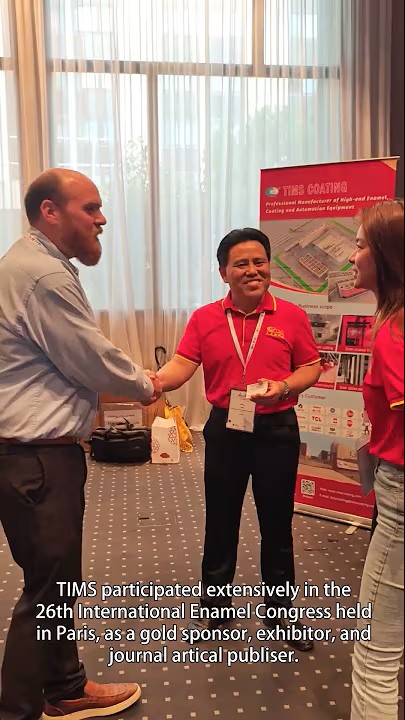
Quando si tratta di progettazione e implementazione di sistemi di rivestimento di livello mondiale, TIMS si presenta come leader nel settore. Con oltre 20 anni di esperienza, TIMS ha integrato con successo tecnologie avanzate nelle linee di produzione di giganti globali come Midea e Haier. La nostra esperienza copre l'intero spettro dei rivestimenti industriali, dai sistemi iniziali di pretrattamento automatico a spruzzatura fino alle fasi finali di cottura ad alta precisione. Comprendiamo che una caldaia elettrica ad alte prestazioni con serbatoio smaltato per scaldabagno è più di una semplice attrezzatura; È la pietra angolare della promessa di qualità del tuo marchio. I nostri caldai sono progettati con le più recenti tecnologie di risparmio energetico e sistemi di controllo intelligenti per garantire che la tua linea di produzione rimanga competitiva e sostenibile.
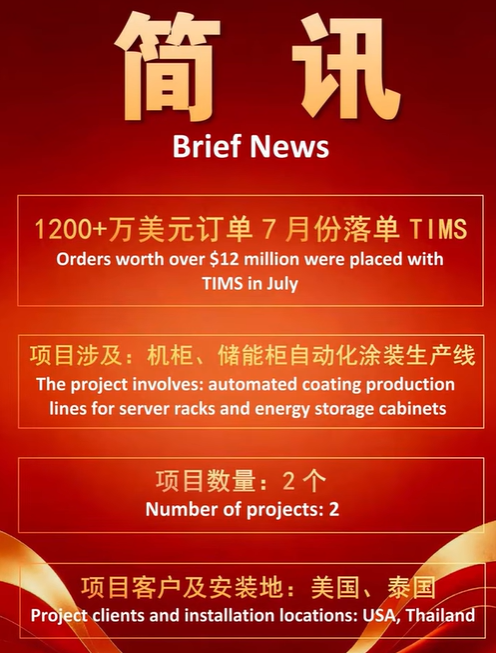
TIMS è orgoglioso di aver superato la rivalutazione del sistema di gestione della qualità ISO9001:2015, riflettendo il nostro impegno per l'eccellenza e il miglioramento continuo. Le nostre soluzioni complete di produzione smaltate sono personalizzate per soddisfare le esigenze specifiche dei nostri clienti, che si tratti di produrre elettrodomestici, barbecue per barbecue o componenti automobilistici. Offriamo un servizio end-to-end, inclusi progettazione, produzione, installazione e supporto post-vendita. Scegliendo TIMS, stai collaborando con un'azienda che valorizza l'innovazione, l'affidabilità e il successo delle tue operazioni produttive. La nostra presenza globale, inclusi progetti di successo in Thailandia, Egitto e Messico, dimostra la nostra capacità di fornire attrezzature industriali di alta qualità in qualsiasi parte del mondo.
Conclusione
L'evoluzione della tecnologia degli scaldabagni è inseparabile dai progressi nelle apparecchiature per lo smaltamento. Come abbiamo discusso, il ruolo di una caldaia elettrica con serbatoio con serbatoio dell'acqua è fondamentale per garantire che gli elettrodomestici moderni rispettino gli standard di durabilità e resistenza alla corrosione attesi dai consumatori di oggi. Dal legame molecolare del vetro all'acciaio all'integrazione di sistemi di controllo intelligenti, ogni aspetto del forno contribuisce all'eccellenza del prodotto finale. I produttori che danno priorità a un trattamento termico di alta qualità non solo riducono i rischi operativi, ma costruiscono anche fiducia a lungo termine con i propri clienti. Man mano che il settore continua a muoversi verso l'automazione e la sostenibilità, l'importanza di scegliere il partner tecnologico giusto diventa ancora più evidente. Investire in soluzioni di smaltura superiori è un investimento nel futuro dell'industria degli elettrodomestici.
Domande Frequenti
D1: Qual è la temperatura ottimale per una caldaia elettrica con smalto per serbatoio di scaldabagno?
La temperatura ottimale di fuoco varia tipicamente tra 820 e 860 gradi Celsius. Questa gamma garantisce che la fritta smaltata si scioglia completamente e formi un legame chimico con il substrato d'acciaio senza causare deformazioni o perdita di integrità strutturale del metallo.
D2: In cosa si differenzia una caldaia elettrica da una a gas?
Un forno elettrico offre una migliore uniformità di temperatura e un ambiente di cottura più pulito, cosa fondamentale per prevenire difetti nel rivestimento smaltato. Le caldaie a gas, sebbene talvolta più economiche da utilizzare a seconda dei prezzi locali dell'energia, richiedono sistemi di scarico più complessi e possono introdurre contaminanti da combustione nella zona di combustione.
D3: È possibile automatizzare una caldaia elettrica con serbatoio di scaldabagno e smalto?
Sì, i caldai moderni sono completamente integrati con sistemi PLC e bracci robotici di carico/scarico. Questa automazione consente cicli di produzione continui, monitoraggio in tempo reale del consumo energetico e un controllo preciso delle curve di riscaldamento e raffreddamento per ogni unità prodotta.
D4: Quanto tempo un serbatoio tipico rimane all'interno della fornace?
Il tempo di permanenza dipende dalla dimensione del serbatoio e dalla velocità della linea di produzione, ma di solito ci vogliono tra i 15 e i 30 minuti per completare le fasi di preriscaldamento, accensione e raffreddamento controllato all'interno del forno a tunnel.
D5: È possibile adattare una vecchia linea con una nuova caldaia elettrica smaltato per serbatoio dell'acqua?
Sì, TIMS è specializzato nell'aggiornamento delle linee di produzione esistenti. Possiamo progettare una caldaia elettrica su misura che si adatti alla disposizione attuale della tua struttura, migliorando significativamente la qualità dell'output e l'efficienza energetica rispetto alle vecchie apparecchiature termiche.
Pronto ad aggiornare la tua linea di produzione?
Contatta TIMS oggi stesso per scoprire come i nostri forni a smalto avanzati e le linee di rivestimento automatizzate possano portare la tua efficienza produttiva a nuovi livelli.